en English
Why Do Some People Have Lisps English subtitles
Report a problem
Advertisement
English transcript
Guys, why in the world did they make the word “lisp” so difficult to pronounce for people
with a lisp?
Hey, Lissette here for DNews. The scientific term for a lisp is sigmatism, which is the
mispronunciation of sibilant sounds: Sounds like s's, z's, sh's, and so on. When people
have trouble pronouncing one or more of these sounds, they are said to have a lisp. And,
about 10 percent of people in the U.S. have a functional speech disorder, which includes
lisps. A common misconception is that people of certain groups or that speak certain languages
have a lisp, but lisps actually have to do with difficulty in saying certain words correctly.
As we all come in different shapes and sizes, we all have variations in how our teeth are
positioned, how long our tongue is, and how long our lingual frenulum is (that’s the
creepy looking tissue that connects our tongue to the bottom of our mouth).
Lisps can occur when the configuration of your mouth, teeth, and tongue are less than
ideal to produce certain sounds required by speech -- although they can also form out
of habit. The trickiest sounds for people with lisps to pronounce tend be the s, z,
r, l, and th sounds.
These are typically the result of one or more of the four most common types of lisps.
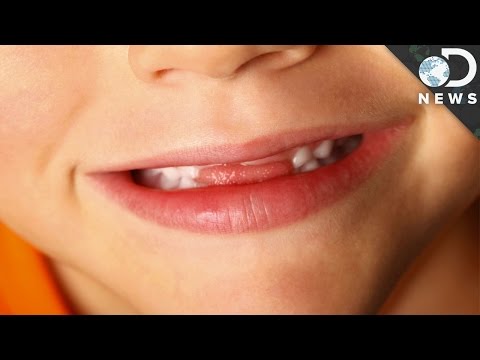
The interdental lisp, when the s or z sounds end up sounding like “th” happens when
your tongue sticks out between your front teeth. If you had these teeth knocked out
as a kid you may have developed this lisp temporarily!
Instead of sea shells you might say “thee thells”
A dentalized lisp is similar to the interdental lisp, but instead of having your tongue protrude
through the teeth, it just presses against the front teeth, which can make certain sounds
seem muffled. A lateral lisp occurs when sound escapes through
the sides of your tongue making a wet or slushy sound.
Sort of like this - sea shells The palatal lisp occurs when people try to
make sounds like /s/ but their tongue touches their soft palate and they instead end up
making a “hy” sound. Hyhells
Some studies suggests that frequent childhood ear infections or hearing problems may also
influence lisps; but, just because you have a lisp at one point, doesn’t mean you’ll
have a lisp forever! Some people learn to overcome these on their own and a lot lisps
go away as we age and our mouths and tongues grow and change… like when we grow back
our front teeth. But, if a lisp persists past 4-and-a-half years of age, experts suggest
that therapy should be considered, especially if the lisp is interfering with social interactions,
work, or academics.
But some people choose not to undergo treatment. Because the fact is, that while most lisps
result in difficulty in the pronunciation of specific words… it’s not like you’re
not going to understand the overall message. Most of us can easily pick up what the person
is saying from context. The bigger issue might stem from reports that show people with lisps
can be unfairly perceived as less intelligent and are often ridiculed or humiliated.
Lisps exist because of the physical structure of our mouths, and how we learned to speak;
it's just like how we learned to walk. It doesn't reflect who a person is. In fact,
according to the DSM-Five, the diagnosis of a Speech Sound Disorder requires that the
person feels it is inhibiting them. If they don’t think it’s a problem, medically
it isn’t.
Another way people speak that has become popular is vocal fry, and it gets a bad wrap. What
is the vocal fry and why are some people getting flack for using it -- find out here.
Do you have trouble pronouncing certain sounds? What have you found helps?
Let us know in the comments below and don’t forget to subscribe for more DNews every day
of the week.